
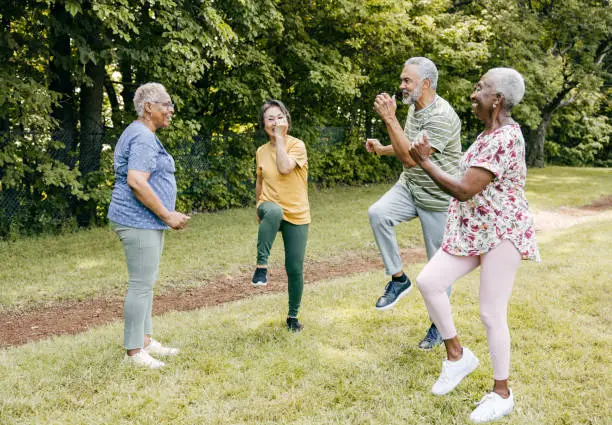
From the Fairway to the Garden: Spring Functional Fitness for Toronto Seniors
This type of training is designed to support real-life movements rather than just exercise for its own sake. Spring functional fitness for Toronto seniors helps make daily tasks easier and reduces the risk of injury, so older adults can enjoy their favorite outdoor activities with greater confidence and comfort.
From The Fairway To The Garden: Spring Functional Fitness For Toronto Seniors
As the weather warms up, many older adults in Toronto return to outdoor activities they enjoy. Spring functional fitness for Toronto seniors is about preparing the body for those real-life movements, bending, reaching, walking, and lifting, so they can be done comfortably and safely.
Functional fitness is simple: it trains your body to handle daily tasks. For seniors, this means better balance, stronger muscles, and fewer injuries while doing things like yard work or playing a round of golf.
What Is Functional Fitness?
Functional fitness is exercise that mimics everyday movements. It helps improve strength, balance, coordination, and flexibility.
Instead of focusing on isolated muscles, functional fitness trains the body as a whole. For example:
- Squats help with sitting and standing
- Lunges improve walking stability
- Core exercises support posture and balance
- Stretching improves mobility for reaching and bending
Spring functional fitness for Toronto seniors emphasizes these movements to match seasonal activities.
Why Spring Is The Perfect Time To Start
Spring naturally encourages more movement. Warmer weather makes it easier to go outside, and many seniors return to hobbies like gardening or golfing.
Starting a routine now helps:
- Reduce stiffness after winter inactivity
- Build strength before peak activity season
- Improve balance on uneven outdoor surfaces
- Prevent common spring injuries like muscle strains
Spring functional fitness for Toronto seniors works best when it starts gradually and builds over time.
Key Movements For Everyday Activities
Different activities require different movements, but many overlap. Training these motions helps seniors move more confidently.
For Gardening
Gardening involves bending, kneeling, and lifting. Functional exercises that help include:
- Bodyweight squats for bending down
- Hip hinges for safe lifting
- Gentle stretching for flexibility
- Core exercises for stability while reaching
These movements make tasks like planting or weeding easier and safer.
For Golfing
Golf requires rotation, balance, and coordination.
Helpful exercises include:
- Torso twists for swing mobility
- Balance exercises for stability
- Light resistance training for arm and shoulder strength
- Walking drills to build endurance
Spring functional fitness for Toronto seniors often includes these elements to support recreational sports.
For Walking And Daily Mobility
Walking is one of the most important daily activities. Improving walking ability helps maintain independence.
Focus on:
- Leg strength (squats, step-ups)
- Balance drills (standing on one foot)
- Posture exercises
- Gentle cardio for endurance
The Importance Of Balance And Fall Prevention
Falls are one of the biggest risks for seniors. Functional fitness directly addresses this.
Balance training helps:
- Improve coordination
- Strengthen stabilizing muscles
- Increase confidence when moving outdoors
- Reduce the risk of slips and falls
Simple exercises like heel-to-toe walking or standing on one leg can make a big difference.
Working with a professional, such as a personal trainer in Etobicoke, can help ensure exercises are performed safely and effectively.
How To Start A Safe Routine
Starting slowly is key. Spring functional fitness for Toronto seniors should be gradual and consistent.
Here’s a simple approach:
- Begin with 2–3 sessions per week
- Keep workouts short (15–30 minutes)
- Focus on proper form over intensity
- Add light resistance as strength improves
- Include warm-ups and cool-downs
Listening to your body is important. Mild soreness is normal, but pain is not.
Benefits Beyond Physical Health
Functional fitness is not just about movement. It also supports overall well-being.
Benefits include:
- Improved confidence in daily activities
- Better mental health and mood
- Increased energy levels
- Greater independence
Spring functional fitness for Toronto seniors helps create a sense of freedom, being able to enjoy life without physical limitations.
Should You Work With A Trainer?
While many exercises can be done at home, guidance can be helpful, especially for beginners.
A fitness trainer for the elderly understands the specific needs of older adults. They can:
- Customize exercises based on ability
- Ensure proper form and safety
- Adjust routines as strength improves
- Provide motivation and accountability
This can make the process smoother and more effective.
Simple Weekly Plan Example
Here’s a basic weekly structure for getting started:
Day 1: Strength & Balance
- Squats (chair-assisted if needed)
- Step-ups
- Balance exercises
Day 2: Mobility & Flexibility
- Gentle stretching
- Light yoga or mobility drills
Day 3: Functional Movement
- Lunges
- Core exercises
- Walking practice
This kind of routine supports spring functional fitness for Toronto seniors without being overwhelming.
Common Mistakes To Avoid
Many seniors make small mistakes that can slow progress or lead to injury.
Avoid these:
- Doing too much too soon
- Skipping warm-ups
- Ignoring balance training
- Using poor form
- Not resting between sessions
Consistency matters more than intensity.
FAQ
1. What Is Functional Fitness For Seniors?
Functional fitness for seniors focuses on exercises that make daily activities such as walking, bending, and lifting easier and safer. It helps maintain independence and reduce the risk of injury.
2. How Often Should Seniors Exercise?
Most seniors benefit from 2–4 sessions per week. Consistency is more important than long or intense workouts.
3. Is Functional Fitness Safe For Beginners?
Yes, functional fitness is safe when done correctly. Starting with simple movements and progressing gradually is key.
4. Can Functional Fitness Help With Balance?
Yes, balance training is a core part of functional fitness. It helps prevent falls and improves confidence in movement.
5. Do I Need Equipment To Get Started?
No, many functional exercises use only body weight. Simple tools like resistance bands can be added later if needed.