
Smarter Way to Get Fit at Any Age
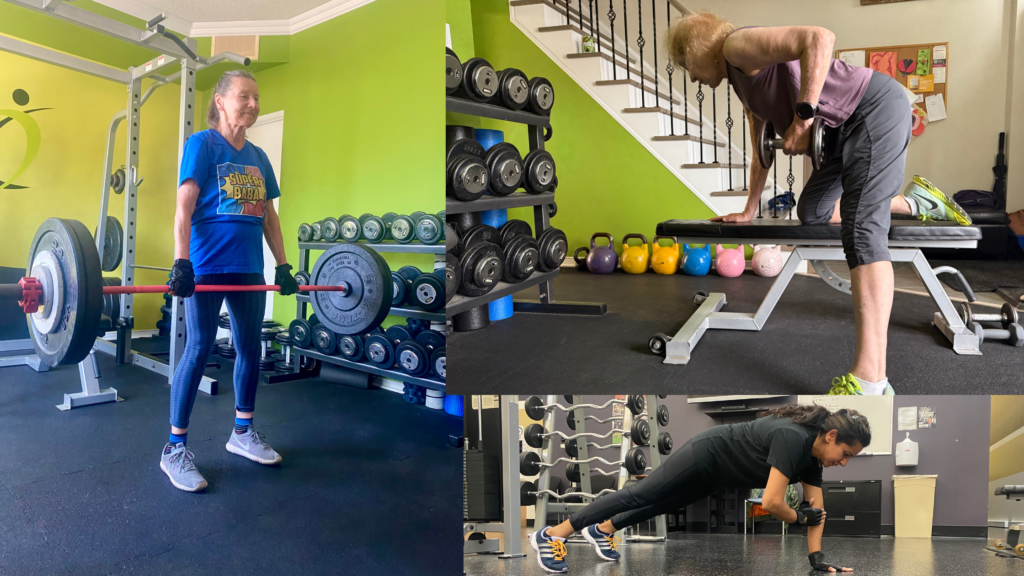
Starting an exercise routine—especially later in life—can feel overwhelming. Many people worry they’re not doing enough, while others push too hard and end up sore, injured, or discouraged.
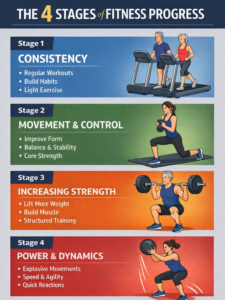
The truth is, successful fitness follows a clear set of stages. Whether you’re new to exercise or getting back into it after time off, your body needs to progress in the right order to stay safe, strong, and confident.
Here are the four key stages of exercise progression, and why each one matters—particularly for adults over 50.
Stage 1: Consistency and Habit Building
Primary goal: Build the habit of regular exercise
When starting an exercise routine, consistency matters more than intensity. Your body is adapting to new movement patterns, joint stress, and recovery demands.
This stage lays the foundation for everything that follows.
What this stage looks like:
-
- 2–3 workouts per week
-
- Light to moderate resistance
-
- Simple, controlled exercises
At this point, exercise should feel manageable—not exhausting. It’s ok if your training session is 10, 15 or 20 minutes long.
Building consistency allows joints, tendons, and muscles to adapt safely, reducing injury risk and improving long-term adherence.
Stage 2: Movement Quality, Balance, and Control
Primary goal: Move better before adding more load
Once exercise is consistent, the focus shifts to **how you move**. Proper movement quality improves results and protects your joints.
This stage emphasizes:
-
- Posture and alignment
-
- Balance and coordination
-
- Core strength and stability
-
- Controlled breathing during exercise
What this stage looks like:
-
- Slower, more deliberate movements
-
- Single-leg or single-arm exercises
-
- Core and balance training
Why this matters for older adults:
Improved movement quality reduces joint pain, improves confidence, and lowers the risk of falls and injuries.
Stage 3: Progressive Strength Training
Primary goal: Safely increase strength over time
Strength training becomes increasingly important as we age. Building muscle helps support joints, improve bone density, and maintain independence.
Progression here is gradual—not aggressive.
What this stage looks like:
-
- Small increases in resistance
-
- Structured sets and repetitions
-
- Emphasis on proper technique
Strength should feel challenging but controlled. If form breaks down, the weight is too heavy.
Benefits of strength training after 50 include:
-
- Easier daily activities (stairs, lifting, carrying)
-
- Better joint support
-
- Improved posture and resilience
Stage 4: Power and Dynamic Movement
Primary goal: Apply strength with speed and control
Power is your ability to produce force quickly—and it’s essential for real-life movement. It helps you react faster, regain balance, and move with confidence.
This stage introduces safe, scaled dynamic movements.
What this stage looks like:
-
- Faster step-ups
-
- Medicine ball throws
-
- Controlled, low-impact explosive exercises
Important note:
Power training for adults over 50 is always scaled and intentional. It’s not about jumping high—it’s about moving well, quickly, and safely.
Summary: The Smart Way to Progress Your Fitness.
Exercise progression isn’t about rushing. It’s about readiness.
-
- Consistency builds the habit
-
- Quality builds the foundation
-
- Strength builds resilience
-
- Power builds confidence and independence
When these stages are followed in order, exercise becomes safer, more effective, and more sustainable—at any age.
At Corefit, we specialize in guiding adults in the Mississauga and Toronto area through these stages with personalized training designed for long-term health, strength, and confidence.